
Food waste bin
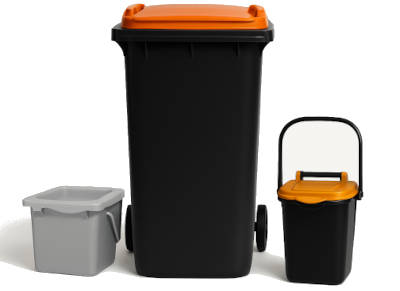
Your food waste bins are for leftover food: cooked and raw.
Weekly collection: On your recycling and refuse weeks, together with all other containers collected on that week.
How to use your food waste bins:
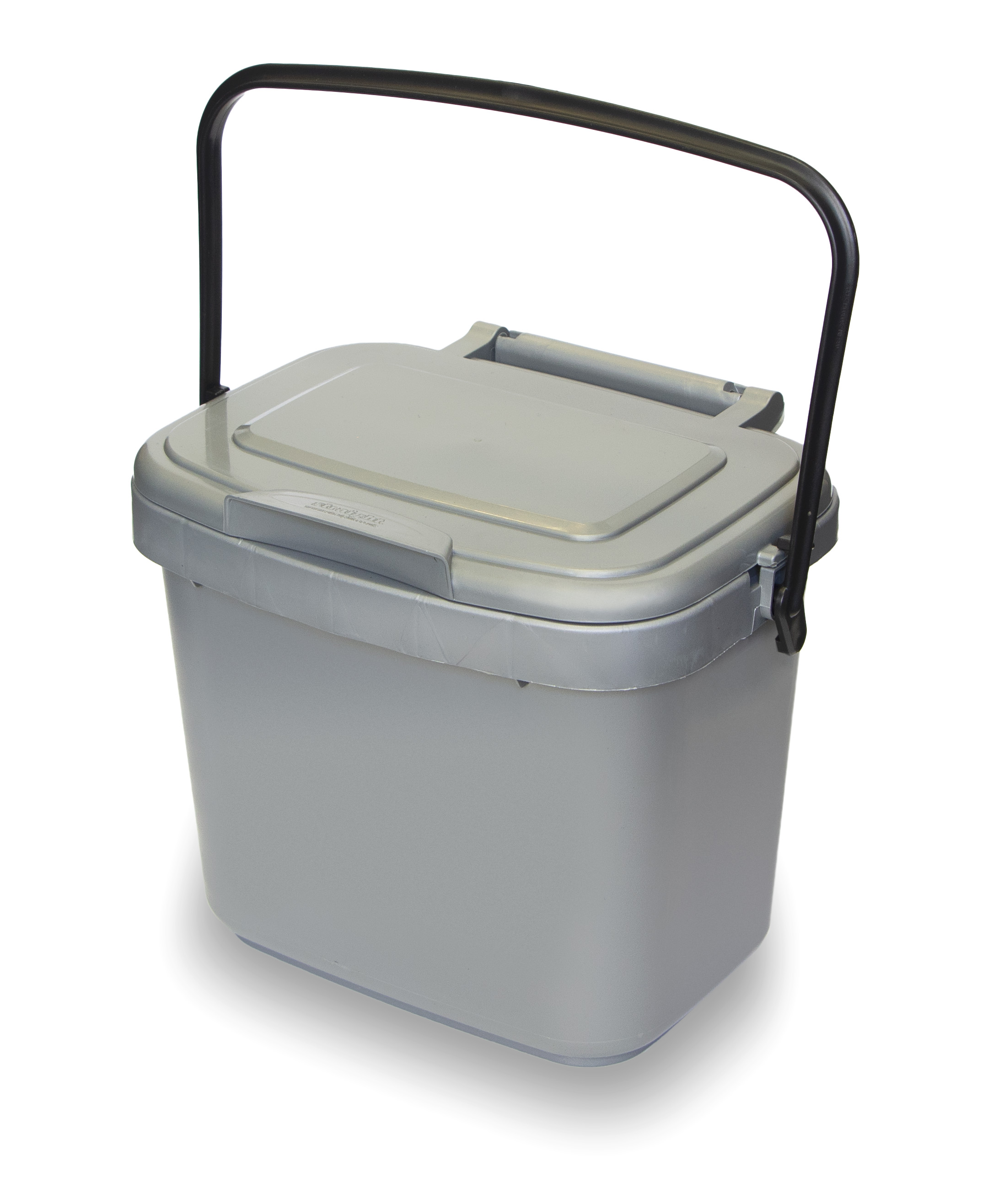
Use for all cooked and raw leftover food. No packaging please.
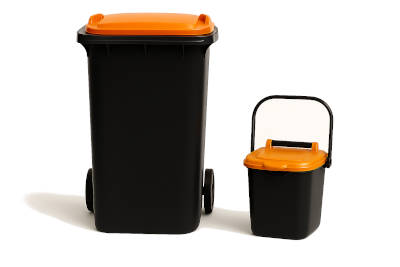
Empty the kitchen caddy into the outside food waste bin and lock the lid by moving the handle to the upright or forward position. Put it out for collection every week, next to your other bins where it can be clearly seen.
If you line your kitchen caddy, use newspaper, paper bags or compostable bags (look out for the SEEDLING logo). No plastic bags, thank you.
✔ What can go in the bins?
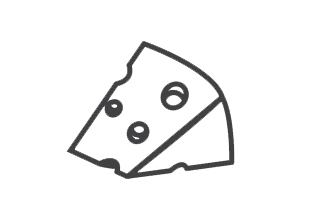 Dairy products (e.g. cheese)
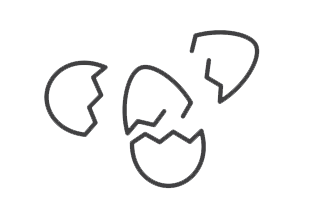 Eggshells
 Tea bags and coffee grounds
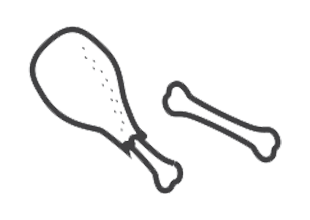 Meat, fish and bones
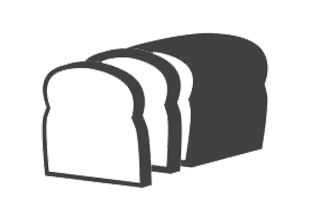 Bread, cakes and pastries
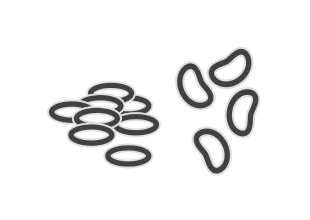 Rice, pasta and beans
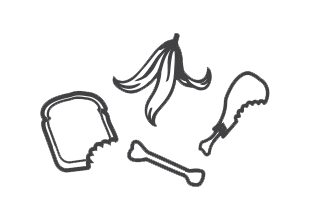 Leftovers, including pet food
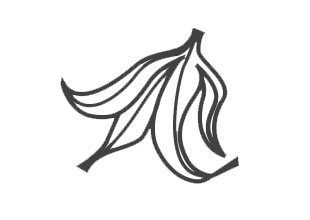 Fruit and vegetables
✖ What cannot go in the bins?
- oil or liquid fat
- liquids
- packaging
- plastic bags or wrapping

What happens to the collected food waste?
After it is collected, the food waste is broken down using a natural process called anaerobic digestion. This produces fertiliser for farmers’ fields and a renewable energy source called biogas.
If you already compost at home, please continue to do so. You can use your food waste collections for any food that you do not want to compost yourself.
Your questions about food waste bins answered
When food waste is collected separately, it is sent to an anaerobic digestion facility to be broken down using a natural process. This produces both a liquid fertiliser that can be used by farmers and a renewable energy called biogas.
We have separate food waste collection crews and vehicles, so please be assured that all food waste collected is recycled.
Keeping the lid of the waste bin closed will keep flies and pests out and odours in!
Other tips: rinse your caddy and food waste bin with hot water and try to keep it in the shade where possible.
No, you can put the food in loose, or use newspaper to wrap it. If you wish to use compostable liners, they are available in most supermarkets and online – they need to be 100% compostable -look out for the seedling logo.
Compostable bags
As compostable food bags are made out of vegetable starch, they are intended to break down in the composting process, so leave tea bags, coffee grinds and anything else hot to cool down before putting them in the food waste caddy. To avoid spillages when transferring the bag to your external food bin, you could line the caddy with newspaper in the bottom as an extra line of defence in soaking up any spills or leaks.
- Cooked and raw food
- Meat, fish, and bones
- Dairy products (e.g., cheese)
- Bread, cakes, and pastries
- Rice, pasta, and beans
- Fruit and vegetables
- Eggshells
- Tea bags and coffee grounds
- Leftovers, including pet food
If you have a garden, home composting is a great way to use up some of your leftovers. However, we can collect the food waste that you are unlikely to compost at home, such as meat, fish, bones, dairy and pastries.
Write a weekly menu plan, and make a shopping list, so you only buy what you need. Try out new recipes to stop food going to waste. Love food, hate waste website has some great tips on reducing food waste and some delicious recipe ideas.
Yes you can. We are delivering food waste containers over the next few months. If you haven’t received one by 1 April 2026 please contact us.
If you have communal shared bins please view our communal collections page to find out more.